Planning a tiling project is exciting, but it can quickly become overwhelming once the costs start adding up. Tiles, labour, adhesive, grout, delivery, and wastage all chip away at the budget, and without a clear picture of what to expect, it is easy to underspend on materials or get caught off guard by a tiler’s quote. This guide breaks down the real cost of tiles in the UK, covering everything from material price tiers and labour rates to room-by-room examples and the budgeting mistakes that catch homeowners out most often.
How Much Do Tiles Cost? A Quick Summary
Tile prices in the UK vary enormously depending on material, size, finish, and where you buy them. As a rough guide:
- Budget tiles: £10 to £25 per m²
- Mid-range tiles: £25 to £60 per m²
- Premium tiles: £60 per m² and above
However, the tile itself is only part of the overall cost. Labour, adhesive, grout, backer board, and wastage allowance all contribute to the final figure. For a professionally tiled bathroom, total costs (materials plus labour) typically range from £500 to £3,000 or more depending on size, tile choice, and complexity. This guide covers every element of that total cost so homeowners and DIYers can budget accurately before a single tile is laid.
Average Tile Costs Per Square Metre
Understanding tile prices by material type helps narrow down the options before visiting a showroom or browsing online. Here is a breakdown of common tile types and their typical price ranges per m²:
| Tile Type | Budget (per m²) | Mid-Range (per m²) | Premium (per m²) |
|---|---|---|---|
| Ceramic (wall) | £8 – £15 | £15 – £35 | £35 – £70 |
| Ceramic (floor) | £10 – £20 | £20 – £45 | £45 – £80 |
| Porcelain | £15 – £30 | £30 – £65 | £65 – £150+ |
| Natural Stone | £25 – £40 | £40 – £90 | £90 – £200+ |
| Mosaic | £20 – £35 | £35 – £75 | £75 – £180+ |
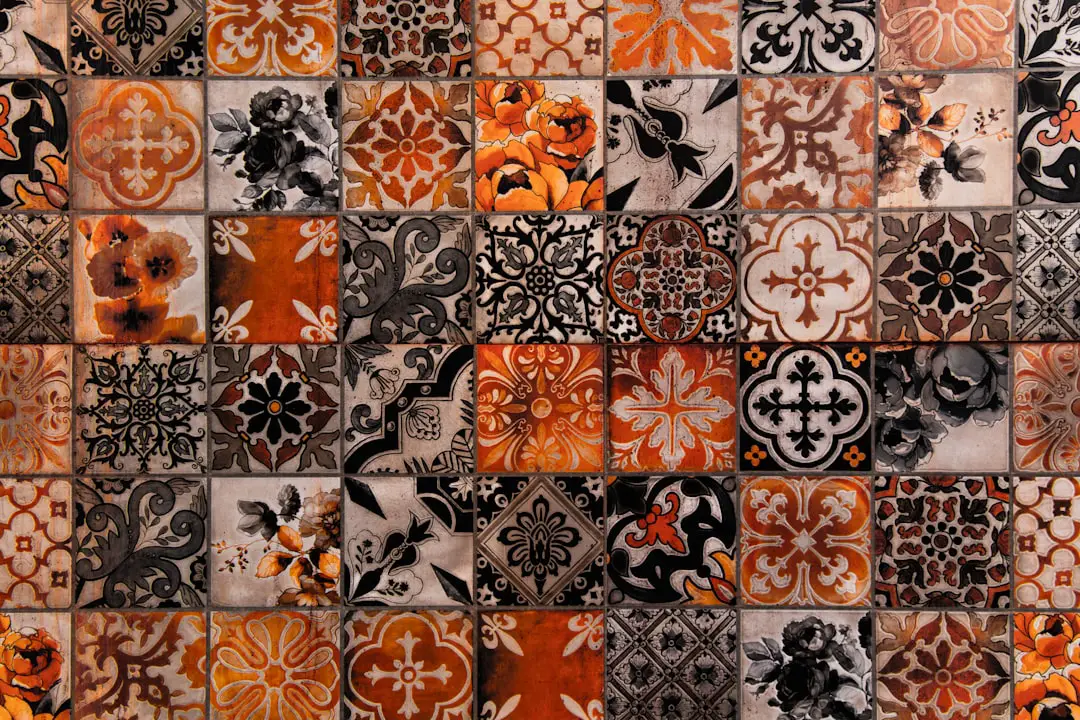
| Encaustic / Cement | £30 – £50 | £50 – £100 | £100 – £200+ |
Ceramic tiles are the most affordable and widely available, making them a popular choice for bathrooms and kitchens. They are easy to cut and install, which also helps reduce labour time. Porcelain tiles are denser and more durable than ceramic, suitable for both floors and walls, and are a strong mid-range option. Natural stone tiles (including marble, slate, travertine, and limestone) offer a premium look but require sealing and more careful installation. Mosaic tiles are labour-intensive to lay due to the sheer number of individual pieces, which pushes up installation costs even if the material price appears reasonable.
What Affects the Price of Tiles?
Several factors influence how much tiles cost beyond the material itself:
Material, Size, and Finish
Larger tiles generally cost more per unit but fewer are needed to cover the same area. Polished, textured, or hand-finished surfaces carry a premium over standard matt or gloss finishes. Rectified tiles (those cut to precise dimensions) are more expensive but essential for tight grout lines.
PEI Rating
The PEI (Porcelain Enamel Institute) rating indicates a tile’s resistance to surface wear. Ratings run from 0 (wall use only) to 5 (heavy commercial use). For domestic floors, a PEI rating of 3 or 4 is typically recommended. Budget tiles sometimes carry a lower PEI rating, which can be fine for walls but may not hold up on floors. Always check this rating before purchasing floor tiles, as replacing worn tiles early is far more costly than buying the right product to begin with.
Slip Rating
Tiles in wet areas such as bathrooms, shower enclosures, and kitchens require an appropriate slip resistance rating. The R-value system (R9 to R13) and the UK pendulum test value (PTV) both measure slip resistance. For domestic wet areas, an R10 rating or a PTV of 36 or above is generally considered safe. Anti-slip tiles may cost slightly more than standard options, but they are a non-negotiable safety requirement in certain areas.
Large Format Tiles and Bowing Risk
Tiles measuring 600mm or larger are classed as large format. While they can look stunning and reduce the number of grout lines, they present challenges. They are heavier, more prone to lippage (uneven edges), and require a perfectly flat substrate. Any bowing in large format tiles can be difficult to disguise and may require specialist adhesive or back-buttering techniques, adding to labour time and cost.
Labour and Installation Costs
Labour is often the largest single cost in a tiling project. A professional tiler in the UK typically charges between £150 and £250 per day, or between £25 and £50 per m² for straightforward floor or wall tiling. Complex patterns, mosaic work, or awkward room shapes can push per-m² rates higher.
Why does labour often exceed the tile cost itself? Preparation is the main reason. A tiler must assess and prepare the substrate, apply primer where needed, mix and apply adhesive, lay tiles accurately, grout, and clean up. On a standard bathroom project, preparation alone can take a full day before a single tile is placed. Factor in that a tiler may charge a minimum call-out fee regardless of project size, and it becomes clear why labour dominates the overall cost.
Room complexity also plays a significant role. A straightforward rectangular kitchen floor is much quicker to tile than a bathroom with a walk-in shower, multiple internal corners, and a sloped wet area. Diagonal patterns, herringbone layouts, and feature borders all increase cutting time, which adds to the day rate.
Materials and Supporting Costs
Beyond the tiles themselves, a tiling project requires several supporting materials. These are easy to overlook when budgeting but can add £100 to £400 or more to a typical project:
- Tile adhesive: £10 to £25 per 20kg bag. A 20kg bag typically covers around 4 to 5 m² on a wall. Rapid-set adhesives cost more but speed up the project.
- Grout: £5 to £20 per kg depending on type. Epoxy grout is the most durable and stain-resistant but also the most expensive.
- Backer board (tile board): £15 to £30 per sheet. Essential in wet areas where standard plasterboard would not provide a suitable substrate. A bathroom may require four to six sheets.
- Tile primer: £8 to £20 per litre. Used on porous or problematic surfaces to improve adhesive bond.
- Tile sealant: £10 to £30 per litre. Required for natural stone and some unglazed porcelain tiles.
- Silicone sealant: £5 to £10 per tube. Used at movement joints, corners, and around baths or shower trays.
- Delivery charges: £20 to £75 depending on supplier and order size. Heavy tile orders often incur a surcharge.
- VAT: Standard rate VAT (20%) applies to both tile purchases and labour unless the project qualifies for a reduced rate (for example, on new builds or certain renovation work).
How Much Extra Tile Should You Order?
A common rule of thumb is to order 10% extra to account for wastage from cuts and breakages. However, this is a minimum. For diagonal patterns or herringbone layouts, a 15% to 20% wastage allowance is more realistic. For complex rooms with lots of cuts around pipes, windows, or alcoves, 20% is a sensible buffer.
It is also worth ordering a small number of additional tiles beyond the wastage allowance and storing them after the project. If a tile cracks or chips in a few years, matching it from a different batch is notoriously difficult as shades and textures shift between production runs.
To calculate the total tiles needed: measure the area in m², add the wastage percentage, then divide by the coverage per tile (stated on the box). Most reputable tile suppliers offer an online calculator to simplify this step.
Regional Price Variations Across the UK
Labour costs vary significantly depending on location. In London and the South East, a professional tiler typically charges £200 to £350 per day. In the Midlands, North of England, Scotland, and Wales, day rates tend to fall in the £150 to £220 range. These are broad averages, and individual tradespeople will price differently based on experience, demand, and project complexity.
Seasonal demand also affects pricing. Spring and summer are peak periods for home renovation, meaning tilers are often booked weeks in advance and may charge more. Booking in autumn or winter can sometimes secure a better rate, though availability varies by area.
To get accurate local quotes, it is advisable to obtain at least three written quotes from reputable tilers. Ask each one to break down tile material cost, labour, and supporting materials separately so comparisons are straightforward.
Real Project Cost Examples
Small Bathroom Tiling (5 m² walls, 3 m² floor)
- Mid-range ceramic wall tiles at £30/m²: £150
- Mid-range porcelain floor tiles at £40/m²: £120
- Adhesive, grout, backer board, and sealant: £180
- Labour (2 days at £200/day): £400
- Total: approximately £850
Kitchen Splashback (2 m²)
- Metro ceramic tiles at £20/m²: £40
- Adhesive and grout: £40
- Labour (half day): £100
- Total: approximately £180
Full Kitchen Floor (12 m², mid-range porcelain)
- Porcelain tiles at £45/m²: £540
- Adhesive, grout, and primer: £120
- Labour (2.5 days at £200/day): £500
- Total: approximately £1,160
Does Tile Size Affect Your Total Project Cost?
Tile size has a more significant impact on total project cost than many homeowners realise. Smaller tiles (such as 150x150mm or mosaic sheets) require more grout lines, more individual placements, and considerably more cutting time around edges and obstacles. This pushes labour hours up even if the tile material itself is inexpensive.
Larger tiles (600x600mm or 1200x600mm) cover more area per tile, reducing the number of placements. However, they require a flatter substrate, more precise adhesive bed preparation, and careful handling to avoid breakage. A tiler working with large format tiles may charge a higher per-m² rate to account for this additional care and preparation time.
For a straightforward rectangular room, a 600x600mm tile often represents the best balance of visual impact, material efficiency, and manageable labour cost. For rooms with lots of obstacles, a 300x300mm or 450x450mm tile may actually result in less waste and a lower total cost despite the smaller format.
Tiling Costs by Room: Bathroom, Kitchen, Hallway, and More
Bathroom
A full bathroom tiling project (walls and floor) typically costs £800 to £2,500 including labour and materials. The wide range reflects tile choice, bathroom size, and whether wet area preparation such as backer board installation is required. Shower enclosures add complexity and cost.
Kitchen
A kitchen splashback is one of the most affordable tiling projects, typically £150 to £400. A full kitchen floor ranges from £600 to £2,000 depending on tile choice and room size. Combined floor and splashback projects may attract a better day rate from a tiler.
Hallway
Hallways are high-traffic areas and benefit from durable porcelain or natural stone tiles. A typical hallway of 4 to 6 m² costs £300 to £900 including labour. Narrow, irregular hallways with lots of doorway cuts can increase labour time significantly.
Living Room
Living room floor tiling is less common but increasingly popular for open-plan spaces. A 20 m² living room floor using mid-range porcelain tiles would typically cost £1,200 to £2,500 including labour, adhesive, and grout.
DIY Tiling vs Hiring a Professional: What’s the Real Cost Difference?
For a competent DIYer, tiling their own bathroom can save £400 to £800 in labour costs on a typical project. However, the true cost comparison is more nuanced than simply removing the labour line from a quote.
A DIY tiler needs to invest in tools: a tile cutter (£30 to £200+ depending on quality), notched trowels, a spirit level, spacers, a rubber mallet, and grout float. A basic tool kit costs around £80 to £150 for a first project. A wet saw or angle grinder with a diamond blade adds further cost if intricate cuts are needed.
DIY tiling also takes longer. What a professional might complete in two days could take a first-time DIYer a full weekend or longer. Mistakes such as uneven adhesive beds, incorrect grout joint widths, or poorly mixed grout can require costly remediation.
That said, for straightforward projects such as a kitchen splashback or a small bathroom floor, DIY is a realistic and cost-effective option. The key is honest self-assessment of skill level and investing in quality materials even when saving on labour. Cutting corners on adhesive or grout to save £20 is rarely worthwhile when it affects the longevity of the finished result.
Tips for Reducing Your Tiling Costs Without Cutting Corners
- Choose rectified tiles in a manageable size. They allow tighter grout joints and a cleaner finish without requiring the precision of large format installation.
- Buy from trade suppliers or online clearance ranges. Many trade suppliers offer quality tiles at significantly lower prices than high street showrooms. End-of-line clearance tiles can offer excellent value if enough stock is available for the project.
- Prepare the substrate yourself. If hiring a tiler, ask whether you can handle surface preparation tasks such as removing old tiles or fitting backer board. Reducing the tiler’s preparation time can lower the overall bill.
- Avoid overly complex patterns. A simple grid or brick bond layout is quicker to lay than a herringbone or diagonal pattern, which translates directly into lower labour costs.
- Combine projects. If tiling a bathroom and a hallway, having a tiler quote for both at once can secure a better overall rate than two separate jobs.
Your Tiling Cost Checklist: Everything to Budget Before You Start
Use this checklist to ensure nothing is missed when calculating the total cost of a tiling project:
- Area to be tiled (m²) calculated accurately
- Tile material and price per m² confirmed
- Wastage allowance calculated (10% minimum, 15-20% for complex layouts)
- Tile adhesive quantity and cost
- Grout quantity and cost (including type: standard, flexible, or epoxy)
- Backer board required (wet areas)
- Tile primer required (porous or difficult substrates)
- Tile sealant required (natural stone or unglazed tiles)
- Silicone sealant for movement joints and edges
- Tools required (DIY) or labour quote (professional)
- Delivery charges confirmed
- VAT included in all quotes and prices
- Surface preparation costs (removal of existing tiles, levelling compound if needed)
- Waste disposal cost if applicable
- Contingency budget of 10% for unexpected issues
5 Tiling Budget Mistakes That Cost Homeowners More Than They Expected
1. Measuring Inaccurately
Underestimating the area to be tiled and ordering too few tiles is one of the most common mistakes. Running out mid-project and needing to reorder from a different batch risks a colour mismatch. Always measure twice and add the wastage allowance before ordering.
2. Ignoring Substrate Preparation Costs
A tiler cannot lay tiles on a damp, uneven, or unstable surface. If the existing substrate needs levelling, priming, or replacing with backer board, this adds time and material cost that is easy to overlook when getting an initial quote. Ask specifically whether preparation is included.
3. Choosing Tiles That Are Unsuitable for the Application
Buying wall tiles for a floor, or choosing tiles with an insufficient slip rating for a wet room, can result in tiles cracking under foot traffic or becoming a safety hazard. Replacing incorrectly specified tiles costs far more than getting the specification right from the start.
4. Forgetting Supporting Materials
Adhesive, grout, backer board, sealant, and silicone are frequently left out of initial budget calculations. On a mid-sized bathroom project, these supporting materials can easily add £150 to £250 to the total cost.
5. Not Getting Multiple Quotes
Accepting the first tiler’s quote without comparison can mean overpaying by a significant margin. Labour rates vary widely, and a detailed written quote that breaks down labour, materials, and preparation separately makes comparison far more straightforward.
Frequently Asked Questions About Tile Costs
How much do tiles cost per m² in the UK?
Budget tiles start from around £8 to £15 per m² for basic ceramic wall tiles. Mid-range porcelain tiles typically cost £30 to £65 per m², while premium natural stone or designer tiles can exceed £100 per m². These figures cover the tile material only; adhesive, grout, and labour are additional.
Why is professional tiler labour more expensive than the tiles themselves?
Tiling is a skilled trade that involves surface preparation, precise measurement, adhesive application, cutting, grouting, and finishing. A professional tiler brings tools, expertise, and experience that significantly reduces the risk of costly mistakes. Preparation work alone can consume a full day before any tiles are laid, which is why labour often matches or exceeds the tile material cost on smaller projects.
How much extra tile should I order for wastage?
Order at least 10% extra for straightforward rectangular rooms with a simple grid pattern. For diagonal or herringbone patterns, or rooms with lots of obstacles and cuts, order 15% to 20% extra. It is also worth keeping a few spare tiles after the project for future repairs.
What is the average cost to tile a bathroom in the UK?
A full bathroom tiling project (walls and floor) typically costs between £800 and £2,500 when combining tiles, supporting materials, and professional labour. Smaller bathrooms with budget tiles can come in under £800, while large bathrooms with premium stone tiles and complex layouts can exceed £3,000.
Are cheap tiles good quality?
Budget tiles can offer good quality for the right application. A low-cost ceramic wall tile in a low-traffic bathroom can perform perfectly well for many years. The key is checking the PEI rating for floor tiles, ensuring the slip rating is appropriate for wet areas, and confirming the tile is rectified if tight grout lines are desired. Cheap tiles that are incorrectly specified for the application will fail faster than a well-chosen premium tile.
Do tiles need sealing and does that add to the cost?
Glazed ceramic and porcelain tiles do not require sealing. Natural stone tiles (marble, slate, travertine, limestone) and unglazed porcelain tiles should be sealed to protect against staining and moisture ingress. A litre of quality tile sealant costs £10 to £30 and covers approximately 5 to 10 m² depending on the stone’s porosity. Grout sealing is also recommended in high-use wet areas and adds a small additional cost. Factor sealing into the budget for any natural stone project, and remember that stone tiles may need resealing every one to three years depending on wear.
Article written by Casper