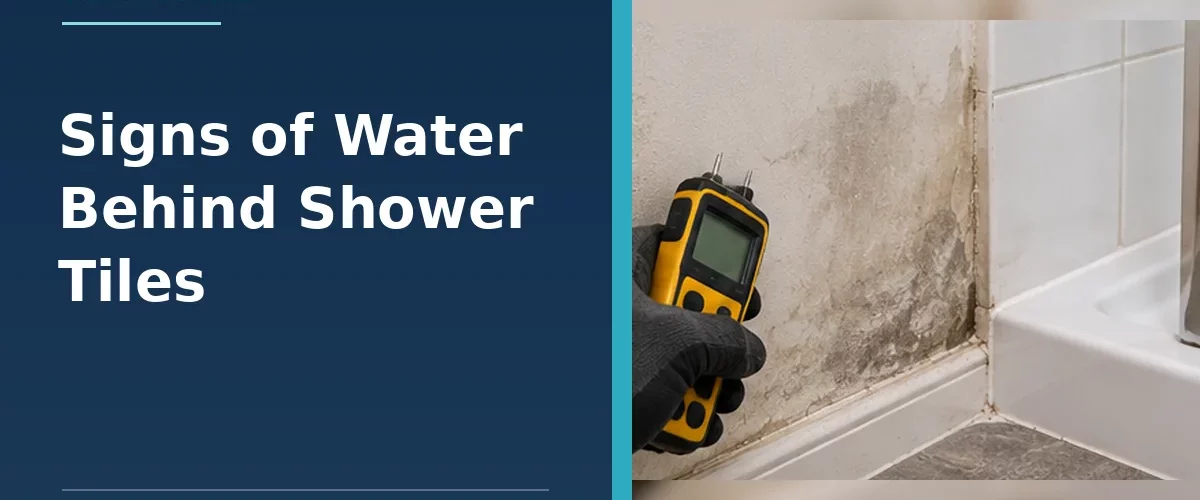
Possible signs of water getting behind shower tiles include damp patches on adjacent walls, persistent mould, swollen skirting, loose tiles, musty smells and staining on the ceiling below. One sign alone does not confirm a failed tile installation: leaks can also come from supply pipes, waste connections or the shower screen. The priority is to prevent further damage and identify the true source.
Does water actually pass through tile grout?
Many cement-based grouts are not completely waterproof. A properly built tiled shower therefore relies on a waterproofing system behind the finish, with carefully sealed joints, penetrations and drain or tray connections. Cracked grout or missing silicone may allow water into unwanted areas, but replacing the visible seal does not fix defective waterproofing beneath the tiles.
Seven warning signs to look for
1. Damp or peeling paint beside the shower
Water can travel sideways through a wall or along the floor before becoming visible. Look around the outside of the shower enclosure, particularly beside the tray.
2. Stains on ceilings or walls below
Discolouration below an upstairs bathroom suggests water movement, but a leaking waste trap or supply connection can create similar marks.
3. Tiles becoming loose or hollow
Moisture-sensitive backing boards can soften or swell. Tiles may lose adhesion or grout may repeatedly crack.
4. Mould that returns quickly
Surface mould can be caused by condensation and poor ventilation. Mould recurring in a particular joint alongside dampness, however, merits further investigation.
5. Soft skirting or swollen flooring
Timber trim and floors can absorb water. Lifted flooring edges and swollen skirting near the tray may indicate a continuing leak.
6. Persistently wet grout
A joint that remains visibly damp long after the rest has dried could indicate trapped water, cleaning residue or a local leak.
7. Musty odours behind fixtures
An unexplained damp smell may accompany concealed moisture, especially in an enclosed cupboard or access panel.
What to do if you suspect a shower leak
- Stop using the shower if there is active leaking or visible damage and protect affected areas.
- Check accessible plumbing connections, screen seals, tray edges and the waste for obvious signs of leakage without dismantling waterproof surfaces.
- Photograph and record where and when dampness appears to help a plumber or tiler diagnose the fault.
- Ventilate and dry the area, but do not mistake surface dryness for proof the hidden materials are dry.
- Arrange professional leak detection if the source isn’t obvious, especially for leaks near electrical fittings or ceilings.
Can you fix the leak by replacing silicone?
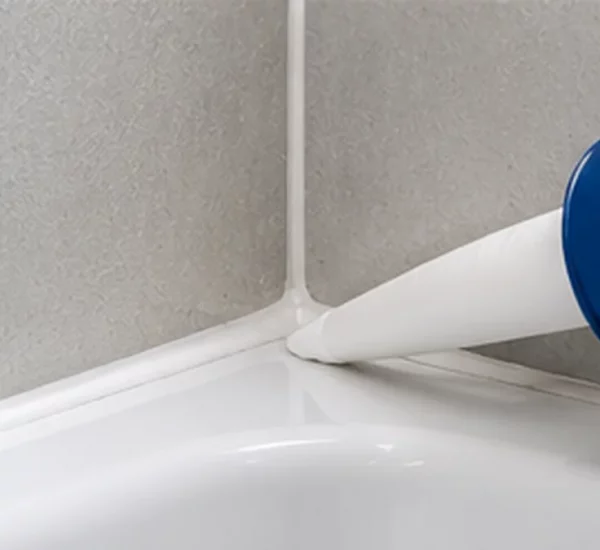
Only if the leaking surface joint is conclusively the problem and there is no damaged structure beneath it. Removing old silicone and applying a compatible bead can repair an ordinary seal failure. But if the waterproof connection to the tray has failed, or the board is damaged, the affected tiling may need to be opened up and rebuilt. See our bathroom silicone replacement guide.
When must tiles be removed?
Tiles may need lifting when a substrate is swollen or unstable, when the waterproof membrane is known to be defective, or when a concealed leak cannot otherwise be accessed. A competent installer should assess what needs replacing; simply drying visible grout and regrouting may conceal ongoing damage.
Frequently asked questions
Can a shower leak even if the tiles aren’t cracked?
Yes. Water may escape at a drain, pipe penetration, tray connection or poorly installed waterproof joint.
Will waterproof grout stop a shower leak?
No grout substitutes for the waterproofing layer and correct plumbing connections. It is vital to identify and repair the source.
Can trapped moisture cause mould?
Yes, where a damp environment and suitable material support fungal growth. Persistent mould and dampness require assessment, not just repeated cleaning.
Is it safe to keep using the shower?
If there’s evidence of active leakage or water reaching ceilings, walls or electrics, stop use until the fault is professionally assessed.
Read more: How to waterproof a shower before tiling.