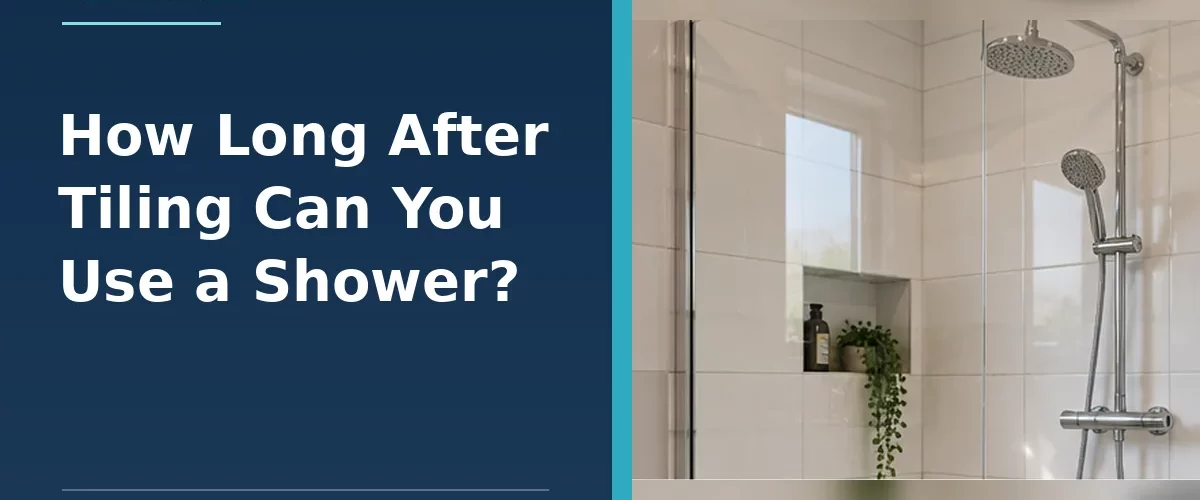
For a newly tiled shower, The Tile Association’s UK guidance quotes a minimum of 14 days before putting the shower into use, as recommended in BS 5385 Part 4. This is more conservative than the 24-hour times sometimes printed on individual grout and silicone products. Always comply with the full installation-system requirements: adhesive, waterproofing, grout and sealant may all have different waiting periods.
If you have only replaced one silicone bead rather than retiled the shower, the wait is different: follow that sealant manufacturer’s specific water-exposure instructions.
Why can’t you use a shower straight after tiling?
A tiled shower is made up of several layers. Waterproofing membranes may need time to cure before tiles are fixed; adhesive then needs time to develop sufficient strength; grout and flexible sealant need their own curing periods. These stages are not interchangeable. A tile adhesive being described as ‘rapid set’ does not make the whole shower ready for hot running water.
Newly tiled shower: what needs to cure?
| Component | What to check |
|---|---|
| Waterproofing or tanking | Drying before tiling, and any required inspection or water test. |
| Tile adhesive | Time before grouting and the adhesive’s suitability for the tiles and membrane. |
| Cement-based grout | Time before water exposure and full service conditions. |
| Epoxy grout | Product-specific chemical curing and water-exposure limits. |
| Sanitary silicone | Skin time versus the much longer period permitted before shower use. |
Does quick-setting adhesive mean you can shower sooner?
No. Rapid-setting adhesives can permit grouting earlier than standard adhesives, but the required wait to use a newly tiled shower is not simply the adhesive time printed on the bag. Check the whole assembly and the installation specification. Our guide to tile adhesive drying times explains why setting and full curing are different.
What if you’ve only regrouted the shower?
For a regrouting repair, follow the grout manufacturer’s specific restrictions for wet areas and check the state of the waterproofing beneath. If old grout was cracking because tiles or boards moved, regrouting will not fix the root cause. See our regrouting walkthrough.
What if you’ve only replaced the silicone?
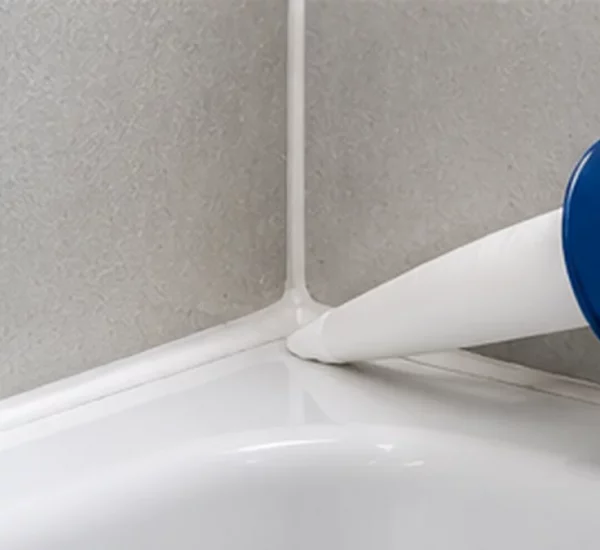
Some sanitary silicones allow water exposure sooner than others, depending on chemistry, bead size, temperature and humidity. Do not rely on the skin forming as evidence of a full cure. Follow the cartridge’s stated cure time and the installation instructions. Where there is a suspected leak behind a joint, investigate before using the shower again.
Five things to check before your first shower
- All waterproofing and tiling stages have reached the manufacturer-specified cure periods.
- The full system meets the relevant installation guidance, including the minimum period for new shower tiling.
- The grout joints and corner seals are complete, with no visible gaps.
- The tray, drain and pipework do not show signs of leaks.
- No product labels, installer instructions or temperature conditions require a longer delay.
Frequently asked questions
Can I shower 24 hours after grouting?
Do not assume so. Some products state a 24-hour setting or limited water-exposure time, but a newly tiled shower must satisfy all installation-stage requirements and the UK guidance quoted above.
Can I use the shower after 48 hours?
Not automatically. The correct answer depends on whether it is a complete new installation or a small repair and on the products used.
What happens if fresh grout gets wet?
Premature moisture may affect grout appearance or strength and, in some cases, disturb uncured material. Stop water exposure and seek the manufacturer’s instructions before attempting a repair.
Is a newly installed wet room different?
Wet-room floors, drains and membranes often have additional water-testing and curing requirements. Obtain confirmation from the installer and system supplier before first use.
The safest answer
Keep the new shower out of service until the entire installation is ready—not just one product. If you cannot identify the materials used or their cure times, ask the installer or manufacturer rather than guessing.
Reference: The Tile Association: technical FAQs, including its answer on putting a newly tiled shower into use.