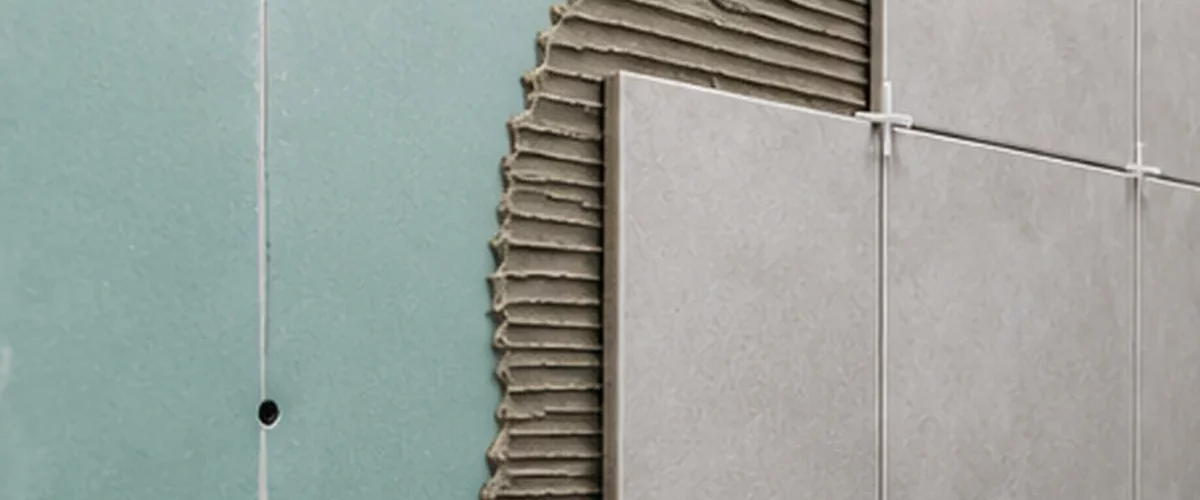
Yes, tiles can be fixed directly to suitable plasterboard in a dry internal area, provided the board is secure, the combined tile-and-adhesive weight is within the manufacturer’s limit, and the surface is prepared correctly. A shower enclosure is a different situation: plasterboard alone, even moisture-resistant plasterboard, is not a waterproofing system.
Before purchasing tiles or adhesive, identify the exact type of board and whether you are working in a dry area, a splash zone or a regularly wet shower enclosure.
Can you tile onto standard plasterboard?
In a dry room, sound, properly fixed standard plasterboard can be a suitable background. Check that it is rigid, securely supported, undamaged and free from dust, paint contamination and wallpaper. Never assume a loose or bowed board will be strengthened by tiling over it.
What is the maximum tile weight on plasterboard?
A commonly quoted guideline is 32 kg/m² for unskimmed gypsum plasterboard, but this must not replace the specific plasterboard, adhesive and system manufacturer’s limits. The load includes the tiles, adhesive and grout, not just the tiles. A wall tile weighing 30 kg/m² may exceed the permitted combined weight once adhesive is added.
Check the manufacturer’s documented tiling capability, fixing schedule and any system-specific restrictions. Specialist tile backer boards may have different limits. Never assume a generic figure applies to every board, thickness, supporting structure or wet-room installation.
Can you tile on moisture-resistant plasterboard?
Moisture-resistant plasterboard is designed to resist moisture absorption better than standard board, but it is not waterproof. In a bathroom outside a regularly wetted area it may be appropriate when permitted by the system manufacturer. In a shower or other wet zone, use a waterproofing design suited to that exposure: for example, an approved tanking system with compatible boards, membranes, sealed joints and penetrations.
British Gypsum provides product-specific advice in its guidance on tiling moisture-resistant plasterboard.
Should you tile over skimmed plasterboard?
Skimmed plaster generally has a different load capacity from bare plasterboard. Do not apply the unskimmed-board limit to a plaster skim. Allow freshly applied plaster to dry fully, make sure the finish is sound, and verify the manufacturer’s maximum combined tile load before choosing heavy porcelain or natural stone. Glossy, weak or dusty plaster backgrounds may require further treatment.
How to prepare plasterboard for tiling
- Inspect the wall. Check for movement, loose fixings, damaged paper, mould and dampness. Replace compromised boards.
- Check tile weight. Add tile, adhesive and grout loads and compare with the applicable board/system limit.
- Decide whether the area needs tanking. A shower zone should be designed as a waterproofed assembly before tiles are installed.
- Check primer requirements. Some adhesives specify a primer on plasterboard; others do not. Use only products approved together, and do not substitute diluted PVA unless the manufacturer explicitly specifies it.
- Choose compatible adhesive. Match the tile type, dimensions, wall background, service conditions and grout system.
- Set out the tiles. Plan cuts, edges and the starting line before mixing adhesive. Provide any specified movement joints at perimeters and changes in plane.
- Install according to system instructions. Observe adhesive coverage, working time and curing before grouting or exposing the wall to moisture.
See our surface preparation guide for wider preparation advice.
Plasterboard versus tile backer board
| Issue | Plasterboard | Purpose-made tile backer board |
|---|---|---|
| Dry internal wall | Often suitable if load and installation limits are met | Often suitable, subject to system specification |
| Regularly wet shower area | Not a waterproof solution by itself | Some are suitable; joints and penetrations still need system waterproofing |
| Heavy or large tiles | Check combined load limit carefully | Check product-specific load and fixing limits |
| Repairability | Water-damaged boards generally need replacement | Depends on core, covering, water damage and manufacturer |
Common mistakes
- Assuming green moisture-resistant plasterboard is fully waterproof.
- Counting the weight of tiles but not adhesive and grout.
- Applying a universal weight limit regardless of board type or skim.
- Fixing large, heavy tiles to boards that flex or have inadequate support.
- Using household PVA in place of an approved primer.
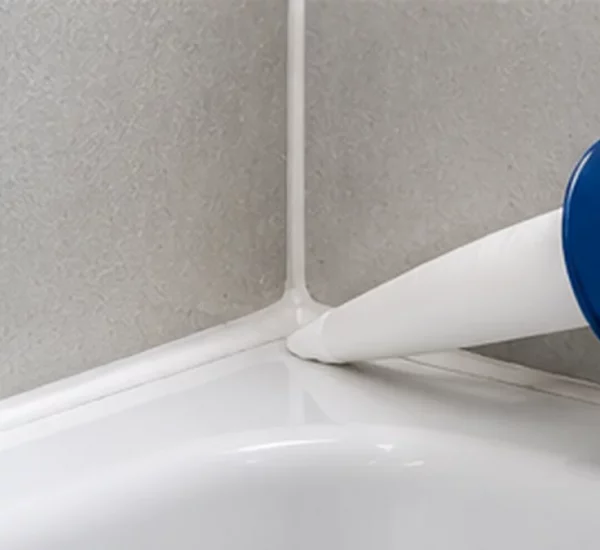
- Failing to seal shower corners, joints and service penetrations with a designed tanking system.
Frequently asked questions
Do I need to prime plasterboard before tiling?
It depends on the board, adhesive and waterproofing system. Always follow the manufacturers’ compatibility instructions rather than priming every wall automatically.
Can you tile onto painted plasterboard?
Paint can form a weak bond layer. Assess its adhesion and the tile-adhesive manufacturer’s requirements; a painted finish may need removal or a system-approved preparation process. Read our guide to tiling painted surfaces.
Is plasterboard suitable behind shower tiles?
Not as an unprotected background. Use a specified waterproof shower-wall assembly with correctly treated joints and penetrations.
Can you tile onto damaged plasterboard?
Waterlogged, softened, delaminated or insecure board should be repaired or replaced before tiling.
Further reading: British Gypsum technical FAQ and The Tile Association.