Tile backer board provides a stable, tile-compatible surface on suitable walls or floors, but correct fixing and joint treatment are essential. Some boards are also waterproof within a complete, sealed system; others are merely moisture-resistant. Always follow the instructions for your exact board rather than assuming all cement and foam-core boards work the same way.
When should you use tile backer board?
Backer boards are commonly used over stud walls, on suitable timber subfloors and in bathroom refurbishments. They can provide a more appropriate tiling surface than water-sensitive materials. In a shower, the chosen system needs a continuous waterproof solution at joints, corners, fixings and penetrations.
Types of backer board
- Cementitious boards: hard, dimensionally stable boards often suitable for tiled wet areas, but may still need separate tanking.
- Foam-core waterproof boards: lightweight, insulating boards with water-resistant or waterproof facings, requiring manufacturer-approved sealing at connections.
- Fibre-cement and specialist composite boards: properties vary, including fixing methods and floor load capacity.
A product marked ‘waterproof’ does not make a shower installation waterproof when the joints or pipe penetrations are open.
What you’ll need
Suitable backer boards, approved screws and washers where required, the specified bedding adhesive or framing, joint tape and sealing materials, a compatible cutting tool, a level, measuring tools and protective equipment. Confirm correct board thickness and stud or joist spacing before ordering.
How to install backer board on a bathroom wall
- Inspect the structure. Studs must be sound, correctly spaced, rigid and capable of supporting the board, adhesive and tiles. Fix any movement or damp before covering the wall.
- Plan board joints. Lay out sheets to avoid tiny strips around niches, trays or tap penetrations. Arrange and stagger joints as directed.
- Cut safely. Use the manufacturer-approved scoring or cutting method. Cement boards create dust; use suitable respiratory protection and extraction where required.
- Fix the sheets. Use the specified fixings and spacing. Do not overtighten washers or bury fasteners so deeply that the board facing is damaged.
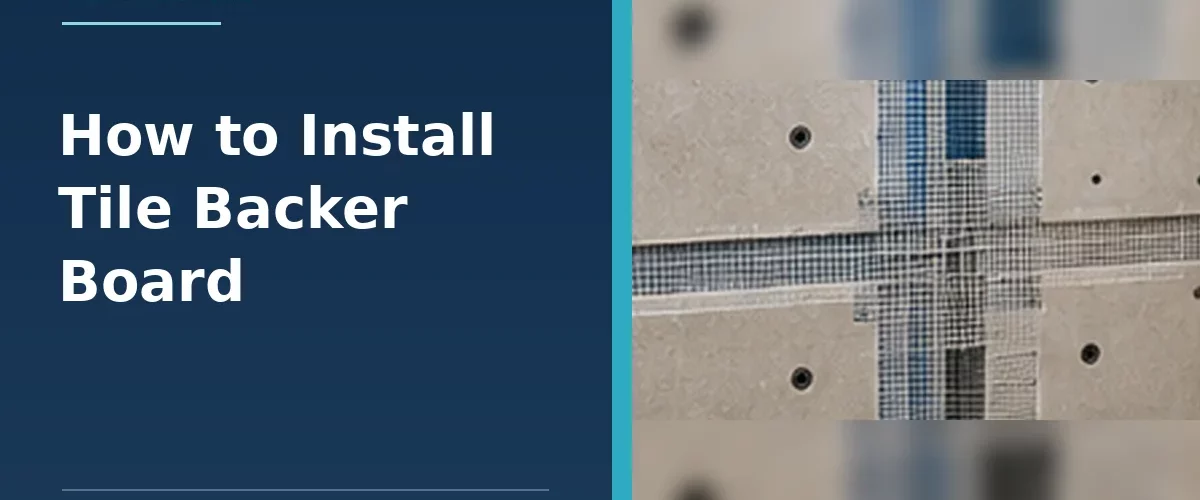
- Treat all joints. Apply the recommended tape, sealing compound or membrane. Different board systems prescribe different details.
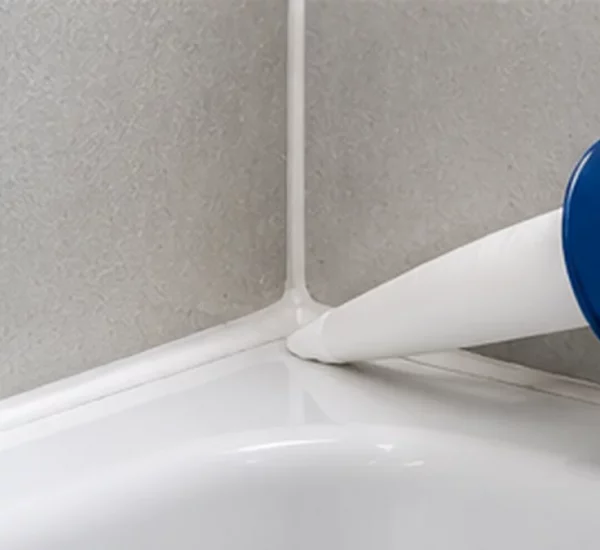
- Seal critical junctions. Protect board-to-tray, wall-to-wall and wall-to-floor connections, along with screws, pipework and mixers.
- Inspect and cure. Check for gaps, penetrations or damage; allow the waterproofing to cure as specified before tiling.
Can tile backer board go over floorboards?
Only when the board and floor form a tested or manufacturer-approved construction. The floor beneath must be adequately stiff and supported. A backer board cannot correct failing joists or a bouncing floor. UK recommendations for timber-based subfloors now specify suitable intermediate layers and correct fixing; see The Tile Association’s summary.
Do you need to waterproof backer board?
In shower areas, yes: provide a complete waterproof assembly. A board may be waterproof within the field of the sheet but require sealing at every junction. Cementitious boards often need a separate approved membrane. Follow the chosen waterproofing system rather than mixing unrelated brands without technical approval.
Five mistakes to avoid
- Fixing boards onto unstable or water-damaged framing.
- Ignoring product-specific screw/washer spacing.
- Leaving cut board edges or service holes unsealed in a shower.
- Assuming cement board is automatically a waterproof barrier.
- Tiling before tapes, adhesives or membrane coatings have cured.
Frequently asked questions
Can you tile straight onto tile backer board?
Usually once correctly installed and, in a wet zone, properly waterproofed. Confirm the tile adhesive is compatible with the board.
Do joints need mesh tape?
Many systems specify reinforcing mesh, waterproof joint tape or both. Use the system-specific method.
Can you screw through waterproof backer board?
Only using the specified fixings and any required sealing measures at penetrations.
Is thicker backer board always stronger?
No. The application, board composition, support spacing and fixing method determine suitability.
Related: How to waterproof a shower before tiling.